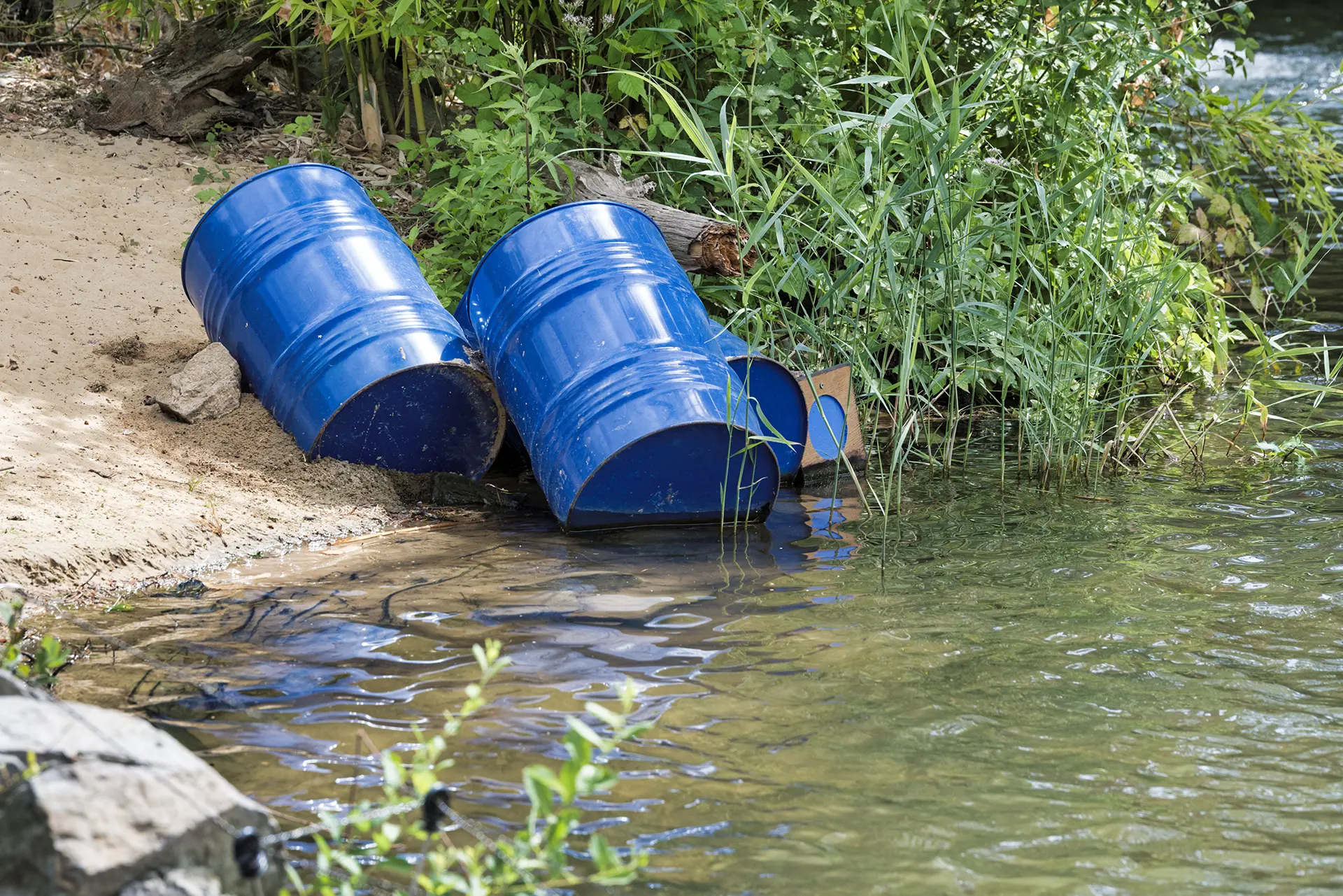
During a purchase/sale, refinancing, or development project, environmental uncertainty can lead to delays, unforeseen costs, and legal risks. Without a clear picture of environmental liabilities and applicable obligations, it becomes difficult to make informed decisions or secure transaction terms.
Sites can present diverse challenges (industrial history, heterogeneous fill, hydro-geological conditions, multiple contaminants). An inadequate sampling strategy or incomplete interpretation can lead to incorrect conclusions, insufficient delineation, or poorly targeted remediation work.
Site remediation requires rigorous coordination (plans and specifications, soil/water management, quality control, movement traceability, waste management) and comprehensive documentation. Without technical oversight and close monitoring, projects can spiral, generate extras, or fail to meet rehabilitation and restoration objectives.
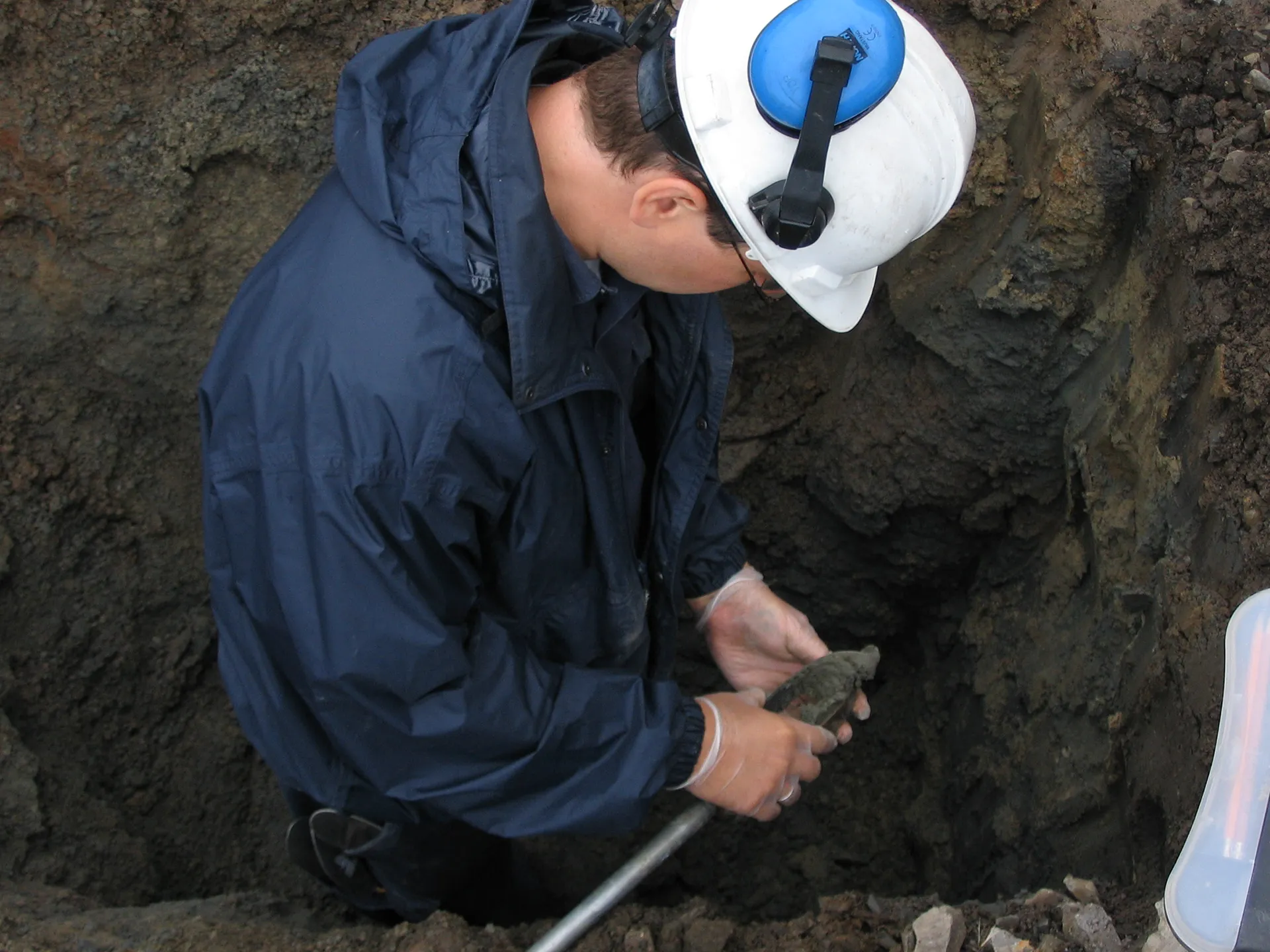
HDS conducts Phase I ESAs (document review, historical research, site visits, and interviews) to identify potential contamination sources, clarify regulatory issues, and establish an action plan. Our deliverables support decision-making (transactions, projects, due diligence) and help prioritize next steps.
We design and execute tailored investigation programs (soil, groundwater, soil gas, materials) to confirm the presence of contamination, define its extent, and quantify volumes to be managed. Data interpretation is translated into concrete options: remediation, on-site management, or a risk assessment approach depending on the context.
HDS prepares plans and specifications, manages calls for tenders, and oversees site work (quality control, validation, excavation/waste management, and documentation). We produce the required professional certifications, including those related to the Environment Quality Act (EQA), and can evaluate relevant treatment technologies based on site objectives and constraints.

A well-structured ESA reduces uncertainty and allows for solid decision-making from the start (purchase/sale, refinancing, development, compliance). By clarifying potential liabilities, obligations, and management scenarios, you limit unpleasant surprises and improve your negotiating position. Result: better-documented, more defensible choices aligned with your business goals.
Through optimized sampling strategies and rigorous interpretation, investigations target actual high-risk areas, avoiding unnecessary analysis or, conversely, gaps that require a return to the field. This translates to better cost and schedule control, as well as a more reliable understanding of contamination extent and volumes. You receive actionable technical data that directly supports future planning.
With clear plans and specifications, tight site supervision, and quality controls, remediation becomes more predictable: fewer extras, fewer surprises, and better schedule management. Traceability (soil/waste management, transport, control evidence) and the production of required documents strengthen compliance and facilitate communication with stakeholders (owners, developers, institutions, authorities). Ultimately, you secure the redevelopment of the land and the "proof" that remediation objectives have been achieved.
Environmental Site Assessment, rehabilitation plans, and specifications, environmental monitoring of works, certificates pursuant to Section IV.2.1 of the Environment Quality Act, assessment of toxicological and ecotoxicological risks, comparative evaluation of rehabilitation options.
Combining environmental expertise and industrial hygiene, HDS supports companies in the proactive management of risks and compliance. We protect your personnel and facilities through cutting-edge expertise and personalized guidance.