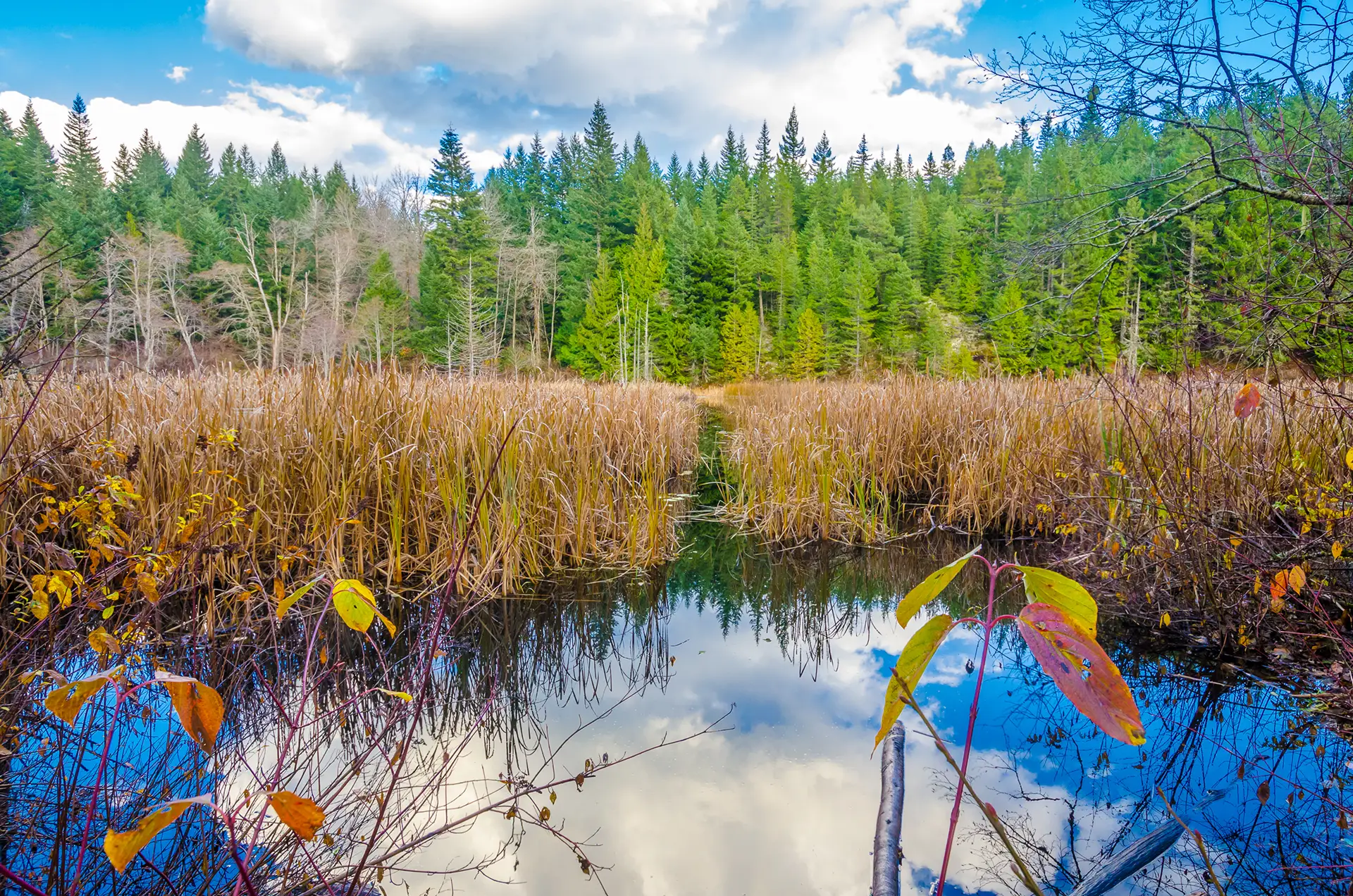
Wetlands and water bodies (marshes, swamps, bogs, ponds, lakes, watercourses) can trigger significant constraints on land use and construction. Without precise identification and delineation from the outset, a project risks being redesigned, delayed, or complicated during execution.
The presence of protected plant or animal species and habitats of interest may impose avoidance, mitigation, or compensation measures, as well as schedule adjustments. Without rigorous inventories and characterization, it becomes difficult to demonstrate due diligence and secure project acceptability.
Work performed partially or entirely within a water body or wetland may require Ministerial Authorization and comprehensive documentation. Determining the High-Water Mark (HWM) and the riparian buffer, as well as shoreline stabilization, requires a solid technical approach to reduce the risks of erosion and non-compliance.
HDS conducts inspections and provides technical opinions to identify and delineate wetlands and water bodies on a site. This stage provides a clear foundation for design, work planning, and the evaluation of development options.
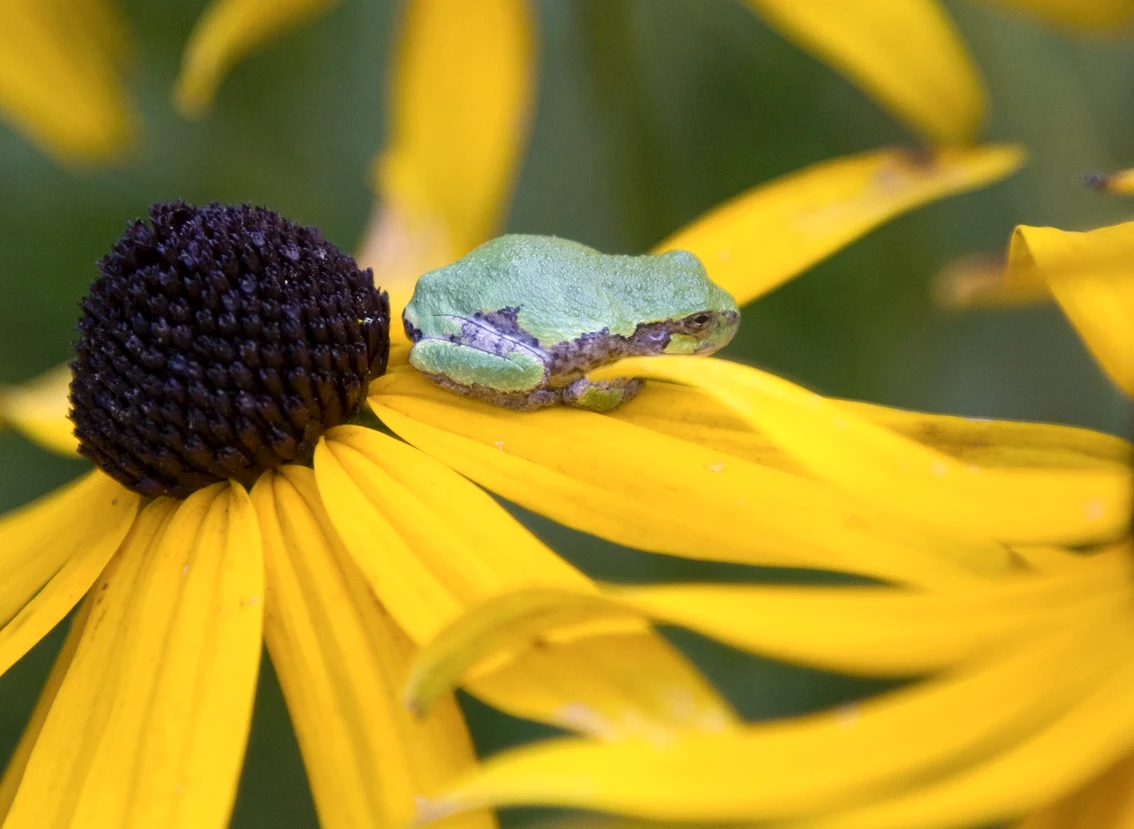
We conduct fauna and flora inventories, as well as the characterization and mapping of terrestrial, aquatic, or wetland natural habitats. We also assess the presence of protected plant or animal species to guide avoidance and mitigation measures.
HDS determines the HWM and riparian buffers, then develops soil bioengineering solutions and biophysical recommendations for shoreline stabilization. We also support applications for Ministerial Authorization (Certificate of Authorization) when work takes place in aquatic or wetland environments.

By identifying wetlands, water bodies, and associated constraints early, you reduce design changes along the way. Development decisions are made based on documented mapping, improving the predictability of costs and timelines.
Rigorous inventories and characterization (habitats, protected species, HWM/riparian buffers) improve the quality of the filing and support interactions with stakeholders. You decrease the risk of project bottlenecks by demonstrating a structured and defensible approach.
Soil bioengineering techniques and biophysical analysis allow for sustainable shoreline stabilization by limiting erosion and promoting integration into the natural environment. You achieve a more durable approach that is better integrated into natural habitats, while streamlining the authorization process when required.
Identification and delineation of wetlands, identification of fauna/flora protected species, habitat characterization, determination of river riparian strips, implementation of vegetal engineering techniques to the stabilization of river banks, request for certificate of authorization.
Combining environmental expertise and industrial hygiene, HDS supports companies in the proactive management of risks and compliance. We protect your personnel and facilities through cutting-edge expertise and personalized guidance.