HDS Environment conducted various industrial hygiene campaigns across multiple sites for a northern mining company, covering both living quarters (mold, IAQ, noise, vibration, etc.) and production areas (dust, crystalline silica/quartz, welding fumes, noise, vibration). The goal was to confirm key compliance levels and target priorities for improvement.
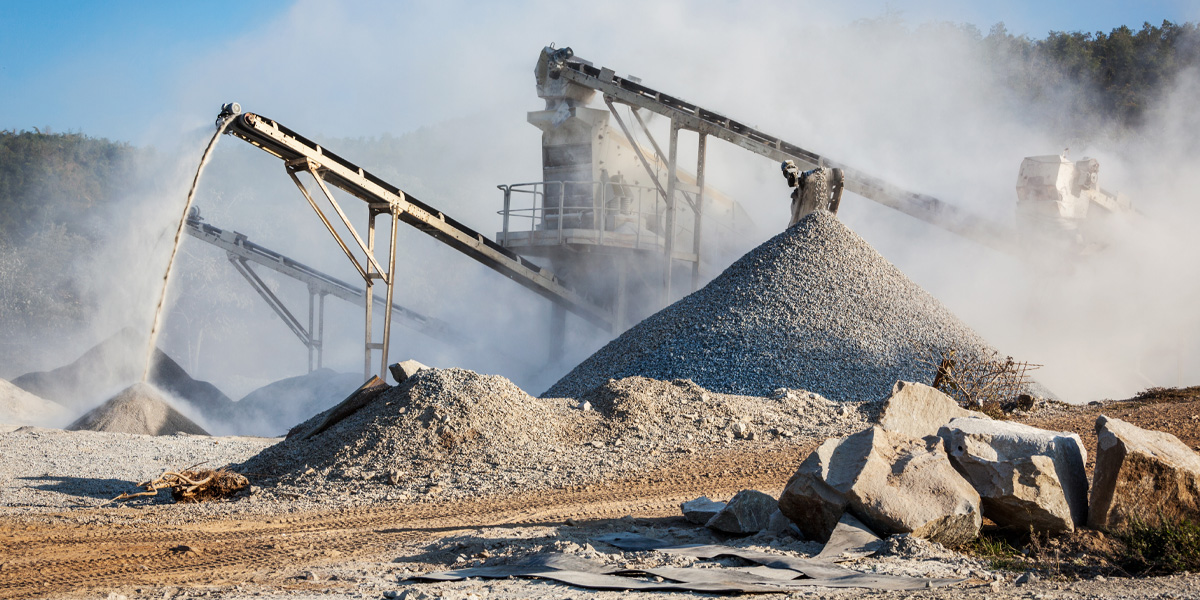
Various federal and provincial regulations require employers to adequately protect workers against particulate contaminants, noise, vibration, biological contaminants, and other risks. Mining sites present unique challenges due to the presence of crystalline silica (quartz) in airborne particulates, the use of oversized equipment and vehicles, blasting operations, and demanding environmental conditions, particularly when workers are housed on-site in northern environments. These factors require specific assessments and management measures.
When an employer is responsible for housing its workers, it is essential to globally assess issues related to airborne contaminants, noise, vibration, and indoor air quality (IAQ). Implementing regular exposure monitoring plans, including reliable sampling, measurement, and analysis, is indispensable for maintaining exposure levels within acceptable limits during both work and rest periods, and for anticipating changes in regulations and best practices.
Proper management of mining camps and housing facilities is paramount to ensuring workers have favorable conditions for rest and recovery, especially in an demanding work context involving rotating day and night shifts to maintain continuous production. This involves monitoring IAQ in the camps, assessing the presence of microbiological agents (based on parameters such as temperature, humidity, and water infiltration), and controlling ambient noise and vibration to allow all workers to rest properly, particularly those sleeping during the day shift.
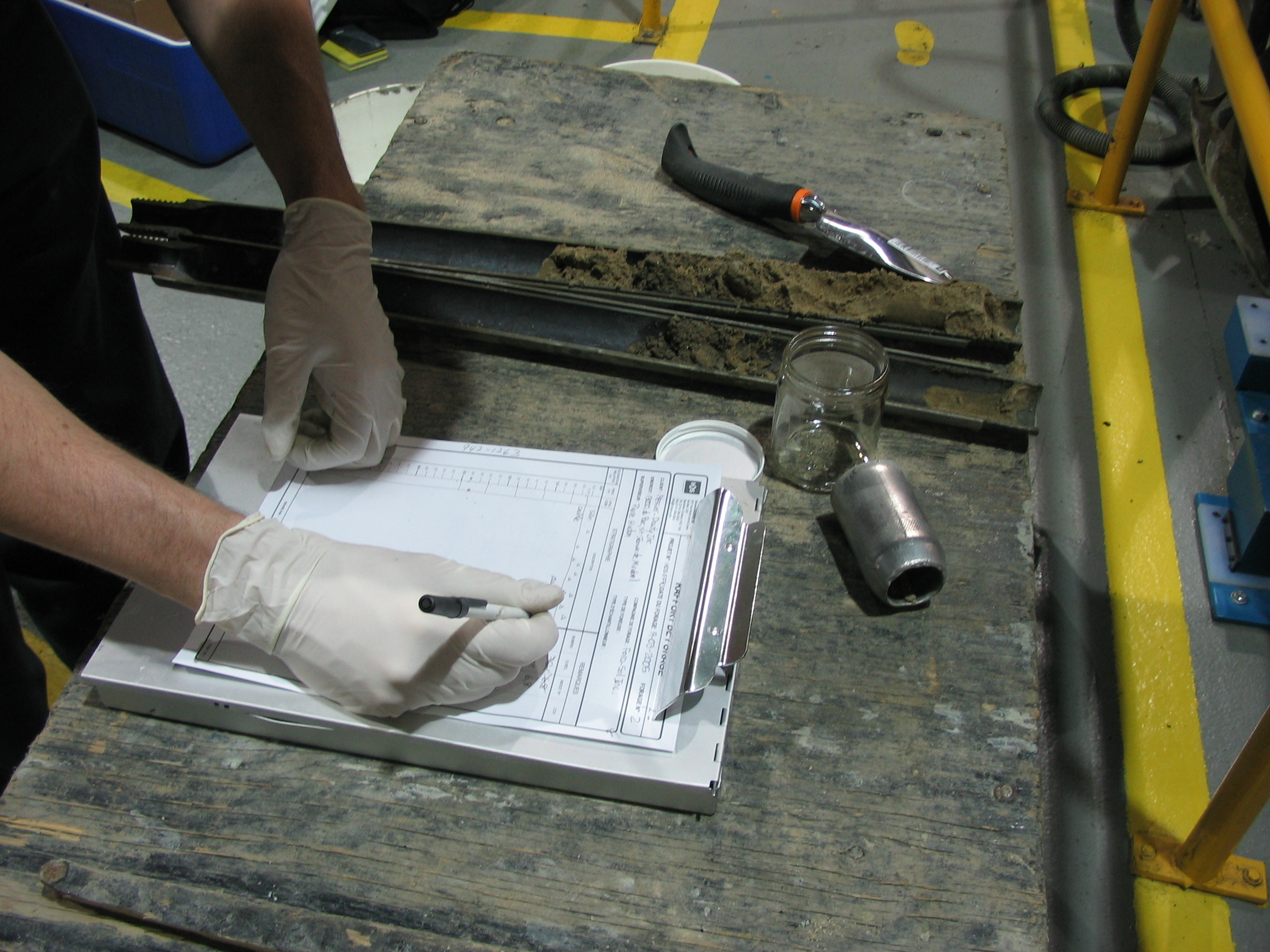
HDS Environment assists clients in developing tailored assessment strategies, specifically by defining Similar Exposure Groups (SEGs) and detailed sampling plans covering all trades present on a mining site. HDS specialized personnel then travel to the site according to worker rotation cycles to implement the strategy and adapt it in real-time to field and production constraints (breakdowns, weather conditions, unforeseen events, etc.), optimizing on-site intervention time.
Random selection of workers for sampling within SEGs, combined with rigorous documentation of sampling conditions and field observations, provides a representative profile of the targeted operating conditions. Samples are collected according to industry best practices, analyzed by accredited laboratories, and compared to Threshold Limit Values (TLVs) and applicable criteria, including ACGIH TLVs (federal level), provincial RSST values (VEMP and VEMA), as well as criteria from CSA, ANSI, or other recognized national and international reference standards.
Each sampling campaign results in a detailed report consolidating field observations, applied methodology, selected standards and criteria, and results tables supplemented by descriptions of operating conditions and tasks performed during sampling. The report also includes relevant conclusions and recommendations, ranked by priority. The entire package is supported by appendices including equipment calibration certificates, analysis certificates from accredited laboratories, and photographic documentation to illustrate key elements.
The high level of documentation maintained by HDS Environment during sampling campaigns allows for the rapid identification of scenarios corresponding to measured exposure peaks. HDS professionals are thus able to assist the client in identifying areas for improvement and the most relevant corrective actions—such as proactively adjusting mandatory personal protective equipment (PPE) requirements to ensure worker protection during transitional periods. Similarly, measurements taken during rest periods in mining camps help quickly improve worker comfort and reduce fatigue, with immediate positive impacts on health and safety.
By combining a tailored assessment strategy with a rigorous approach that adheres to industrial hygiene best practices, relevant criteria, and applicable regulations, and by using accredited laboratories and robust documentation, HDS Environment delivers high-quality reports that meet the compliance objectives and expectations of both provincial and federal regulatory bodies.
Accumulating more than 20 weeks of sampling over five years has allowed HDS Environment to build a high-quality database for the client, including over 400 worker air samples, 500 dosimetry tests, thousands of sound level measurements, and approximately one hundred vibration measurements. This database enables the client to identify trends for different SEGs, adjust prevention, respiratory protection, and hearing loss prevention programs to field realities, and develop credible projections for anticipated future regulatory changes.

HDS Environnement is assessing risks and managing contaminated soil for the mixed-use redevelopment of a former industrial site in Gatineau.

HDS reduces the environmental impact of road de-icing salts for a public agency: audits of 10 CEMS, water sampling, and action plans.